



Associate Attorney
In the era of social media influencing and content-creation, “dupe culture” has become pervasive, with people with massive follower counts ultimately shaping what is perceived as “cool or trendy.” Every few scrolls on platforms like TikTok and Instagram, users are being bombarded with people showing off their luxury purchases, from Chanel classic-flap and Hermes Birkin bags to Margiela’s polarizing Tabi shoes. Even fragrances are being duped, with brands like Dossier claiming to offer scents that are inspired by fragrances like Maison Francis Kurkdjian’s Baccarat Rouge 540 or Byredo’s Bal D’Afrique. Against this backdrop, as consumers are saddled with rising costs of living, “dupe influencers” have begun to thrive and shape the narrative of what’s cool and what isn’t. Rather than creating content that is “out of touch”, dupe influencers use their platforms to promote dupes, or legal duplicates, of trendy products such as fragrances, skincare, bags, clothing and shoes.
In the modern consumerist world, consumers who may not be willing or able to bear the higher price tag to participate in the newest trends frequently seek out lower-cost options for high-end products. Current industry trends show that consumers have shifted towards a preference for value over name brands, with luxury purchases being increasingly seen as wasteful. Fast-fashion brands have taken notice of consumer’s desire to have the luxury look for less and have begun mass-producing “dupes” that have similar, or even identical, aesthetics as their more high-end and exclusive counterparts. And consumers have responded well, viewing these duplicates as budget-friendly alternatives for products. Unlike a counterfeit, or a “knockoff”, a dupe, or duplicate product is a product that does not contain the trademark or brand elements of their more expensive counterparts, despite their close mimicry. For example, despite the lack of brand names, this Amazon bag is a replica of a Bottega Veneta tote bag. Unlike knockoffs, dupes are often not meant to deceive consumers into believing their product is luxury, but for the purpose of giving consumers access to close copies of super-luxury products at a more affordable price.
With dupes becoming more mainstream, established brands have been increasingly taking aggressive steps to protect their products from encroachment through litigation focused on trade dress, design patents, and trademark. While establishing infringement is much more straightforward when a counterfeit product is pawned off as a legitimate product to trick customers, dupes have created a legal gray area, leaving brands testing the bounds of design patent and trade dress protections when their products are copied by fast-fashion brands like Zara, H&M, Amazon, Shein, Quince, and Temu.
Recent Cases
Lawsuits against fast-fashion brands are becoming increasingly common, as brands attempt to use intellectual property laws to combat dupes.
- Lululemon v. Costco
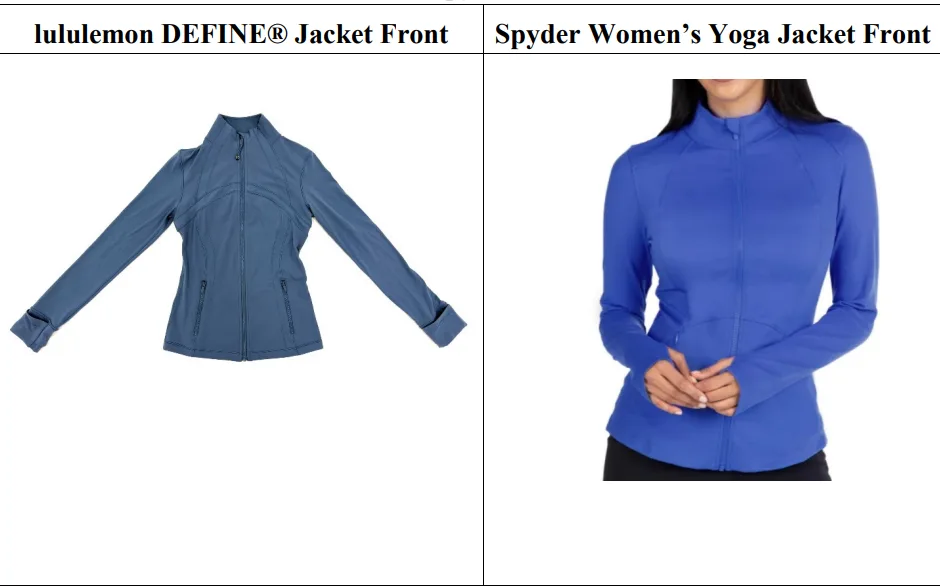
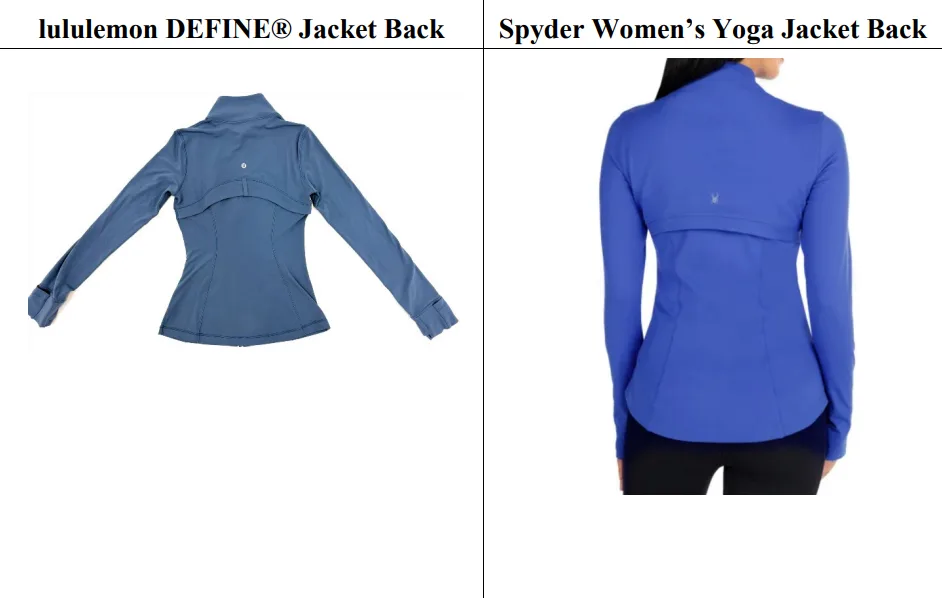
On June 27, 2025, Lululemon filed suit against Costco in the U.S. District Court in Central California. In the lawsuit, Lululemon asserted trade dress and trademark infringement claims. In support, Lululemon alleged that Costco’s Kirkland Signature brand infringed upon its trademarks, trade dress and design patents, causing significant harm to Costco’s brand. The athletic-wear giant is seeking damages for lost profits and an order barring Costco’s production and marketing of the copied products.
The photographs below contain examples of some of Lululemon’s products at issue in the litigation and a comparison of Costco’s Kirkland-brand active wear:
- Deckers Outdoor Corporation v. Last Brand, Inc.
In 2023, Deckers Outdoor Corporation, the brand that owns UGG, filed suit against Last Brand, Inc. d/b/a Quince, asserting infringement claims. Specifically, Deckers has alleged that Quince’s shearling boot designs are “dupes” of Deckers’ Ultra Mini, Tasman, and Bailey Button products.
The photographs below show a comparison of Deckers’ and Quince’s respective products:
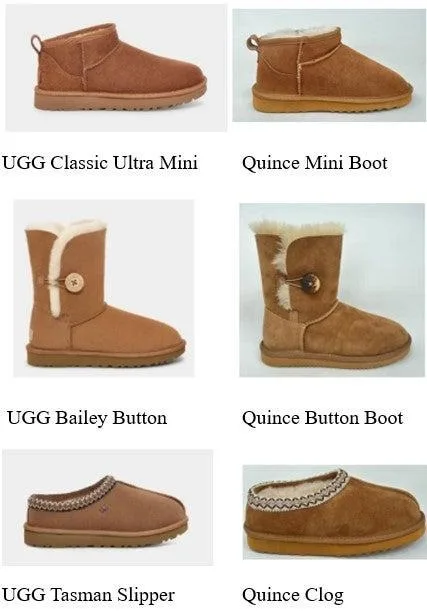
Since its commencement in 2023, the case has been extensively reduced throughout the prolonged litigation. In response to Deckers’ claims, Quince argues that the design elements Deckers claims (e.g., suede exterior, sheepskin lining) are functional and common within the footwear market, making them unprotectable as “trade dress”. In October 2025, the court issued a ruling that many of the design features for the Classic Ultra Mini and Tasman were too generic, significantly limiting the trade dress claims. The case, which has been set for trial in June 2026, has been narrowed primarily to a design patent issue.
- WHOOP, Inc. v. Shenzhen Lexqi Electronic Technology Co., Ltd.
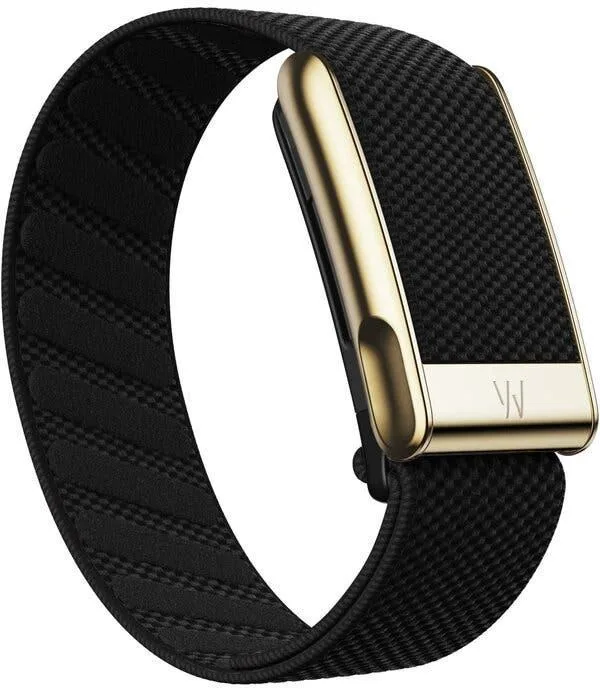
WHOOP, a human performance company that offers wearable fitness tracking devices, filed suit against Shenzhen Lexqi Electronic Technology Co., (“Shenzhen”), asserting trade dress infringement claims and seeking an injunction barring Shenzhen’s sale of wearable products that closely resembled WHOOP’s designs. The design at issue is described as “a continuous fabric band that wraps over the device (i.e. a faceless device) with thin metal accents on the side of the device.”
The photograph below contains examples of WHOOP’s products that are at issue in the litigation:
For comparison, the photographs below contain examples of Shenzhen’s products that it sells on Amazon:
On February 4, 2026, the U.S. District Court for the District of Massachusetts granted WHOOP’s Motion for a Preliminary Injunction against Shenzhen. The injunction required Shenzhen to immediately stop selling its infringing wearable product in the United Status during the pending litigation. In its order, the Court found that Shenzhen’s device was almost identical to the WHOOP’s trade dress.
These cases highlight the steps that are necessary for brands seeking to protect themselves from duplicates. As the dupe landscape continues to grow, brands should take action to seek trademark protection for unique source identifiers, such as names, logos, packaging, trade dress, colors, scents, or slogans. In addition to protecting its brand identifiers, brands should also consider protecting unique elements of their product packaging through copyright. Finally, brands should seek design patent protection for the unique, non-functional, and ornamental visual characteristics of a manufactured article, such as its shape, configuration, or surface ornamentation.
In addition to obtaining intellectual property protection, brands should consistently scour the internet to identify potential dupes. Some AI-powered options to aid in this process include Dupe Killer, Counterfake, and Pulpou.