



Principal Attorney
Commercial leases in Texas can be terminated early for reasons such as nonpayment of rent, material lease violations, property damage, or mutual agreement, provided the lease or applicable law allows termination. The grounds for termination and the required procedures depend largely on the lease agreement, including any notice and cure provisions.
Commercial leases govern the relationship between a property owner and a business leasing space for its operations. One of the most critical terms in commercial leases is the grounds by which one or either party may terminate the lease. Parties may agree to various provisions that entitle the landlord or tenant to end the lease before its expiration date.
Establishing grounds for terminating a commercial lease protects both parties’ interests, including allowing a landlord to protect their property and financial interests and protecting a tenant from an unexpected or arbitrary termination of their lease.
Because commercial leases are largely governed by the terms negotiated by the parties, the specific grounds for termination can vary significantly from one agreement to another. As a result, landlords and tenants should carefully review their lease provisions as well as applicable Texas law, including Texas Property Code Chapter 93, which addresses commercial tenancies, before taking steps to terminate a lease or enforce a termination clause.
Here’s a closer look at some possible grounds for a commercial lessor or lessee to terminate a lease.
Can You Terminate a Commercial Lease for Breach of Contract?
A landlord or tenant may terminate a commercial lease if the other party breaches its terms, provided the breach and applicable lease provisions support termination. For example, a landlord may terminate for breach of lease due to a tenant’s failure to pay rent, unauthorized alterations, or usage of the property for unauthorized purposes. A tenant might seek to terminate its lease due to the landlord’s breach of clauses such as maintenance or repair obligations.
Not every lease violation automatically permits termination. Many commercial leases require the non-breaching party to provide written notice of the default and allow a period of time for the other party to cure the issue. Whether termination is available often depends on the severity of the breach and the language of the lease agreement.
Can a Landlord Terminate a Commercial Lease for Nonpayment of Rent?
One of the most common reasons why commercial landlords terminate leases is tenants’ failure to pay rent. However, terminating a lease for nonpayment of rent frequently involves a complex process. Many commercial leases include notice and grace periods for rent payment, which require the landlord to notify the tenant about their failure to pay rent and offer a grace period to make up their late rent payments before the landlord can initiate eviction proceedings.
Under Texas Property Code § 24.005, a landlord generally must provide at least three days’ written notice before filing an eviction suit, unless a written lease or agreement specifies a different notice period. The statute also includes requirements concerning the type of notice used in certain nonpayment cases.
In many cases, a landlord may have to pursue court action to secure the tenant’s eviction and to recover outstanding unpaid rent. Commercial landlords may also have additional remedies available under the lease, such as charging late fees, accelerating future rent obligations, drawing against security deposits, or pursuing damages resulting from the tenant’s default.
Can Unlawful Activities Lead to Commercial Lease Termination?

Landlords frequently have the right to terminate a tenant’s commercial lease if they discover the tenant has used the property for unlawful activities, ranging from illegal manufacturing, distribution, or sale of goods to illicit activities like gambling or drug sales.
However, unlawful activity does not automatically eliminate applicable notice or eviction procedures. The landlord’s options depend on the nature of the activity, the lease, and relevant Texas law. Certain activities may also be subject to specific statutory eviction provisions.
In addition to lease termination, unlawful activity on commercial property can expose the responsible parties to regulatory investigations, fines, or other legal consequences. Prompt action is often necessary to minimize liability and protect the property’s value and reputation.
Violation of Zoning Laws or Building Codes
A landlord might pursue a commercial lease termination if it discovers that a tenant has modified or used the property in a manner that violates state or local building codes or zoning laws. Depending on the nature of the violation, the lease may require the landlord to provide the tenant with an opportunity to address the violation, such as removing an offending alteration or otherwise repairing the property to bring it up to code.
For example, a tenant may improperly convert a retail space into a use that is not permitted under local zoning regulations or install improvements without obtaining required permits. These issues can create liability for both the landlord and tenant if they are not promptly corrected.
Can Property Damage Justify Commercial Lease Termination?
Landlords may seek to terminate a commercial lease due to the tenant’s damage to the property or neglect of their maintenance or repair obligations. Tenant damage that may justify termination can include significant fire or smoke damage, flooding from plumbing, or structural damage.
The lease may also address responsibility for restoring the property, filing insurance claims, and determining whether the damage is severe enough to make continued occupancy impractical. In some situations, extensive property damage may trigger separate casualty provisions that permit termination by either party.
However, responsibility for the damage matters. Damage caused by a natural disaster or another event outside the tenant’s control may be treated differently from damage resulting from a tenant’s negligence or unauthorized activities.
Can Both Parties Agree to End a Commercial Lease Early?

Landlords and tenants can agree to enter into a written termination agreement to facilitate an early termination of the lease when they agree that continuing the relationship has become impractical.
Mutual termination agreements can help both parties avoid costly litigation and uncertainty. These agreements often address issues such as outstanding rent obligations, security deposit disposition, surrender of the premises, and release of future claims. Documenting these terms in writing can reduce the likelihood of disagreements over financial obligations or the condition of the property after the tenant leaves.
Understanding Notice and Cure Requirements
Before a commercial lease can be terminated, the lease agreement may require one party to provide formal written notice of the alleged default. The defaulting party may then receive a specific period of time to correct, or “cure,” the issue. Failure to follow these contractual notice requirements can create disputes and potentially delay or invalidate an attempted lease termination.
A lease might provide different cure periods for monetary and nonmonetary defaults. For example, a tenant may have a shorter period to pay overdue rent than to correct a maintenance or property-use violation. Because notice provisions vary widely among commercial leases, landlords and tenants should carefully review their agreements and seek legal guidance before taking action.
Other Common Grounds for Termination
Other common reasons why a landlord or tenant might seek to terminate a commercial lease include:
- Business Closure or Relocation – When a tenant must relocate or cease operations, their lease may give them the right to seek an early termination subject to various conditions, such as notice to the landlord or paying an early termination fee. Closing a business does not, by itself, automatically terminate its lease obligations.
- Vacancy Rules – In multi-unit commercial properties such as shopping centers, tenants may negotiate the right to terminate the lease if the center’s vacancy rate hits a certain threshold, which helps the tenant avoid getting stuck in a “dead mall.”
- Eminent Domain – A government taking may trigger a lease’s condemnation clause, which can establish termination rights depending on the extent of the taking and the agreement’s terms.
- Sale of the Property – A commercial lease may give the tenant the right to terminate the lease if the landlord sells the property to another party. However, selling a commercial property generally does not automatically terminate an existing lease.
- Force Majeure – A lease’s force majeure clause may excuse or delay certain obligations, or permit termination if expressly provided, due to natural disasters, destruction of the property, or other unforeseen events beyond the parties’ control.
What Is the Difference Between Lease Termination and Eviction?
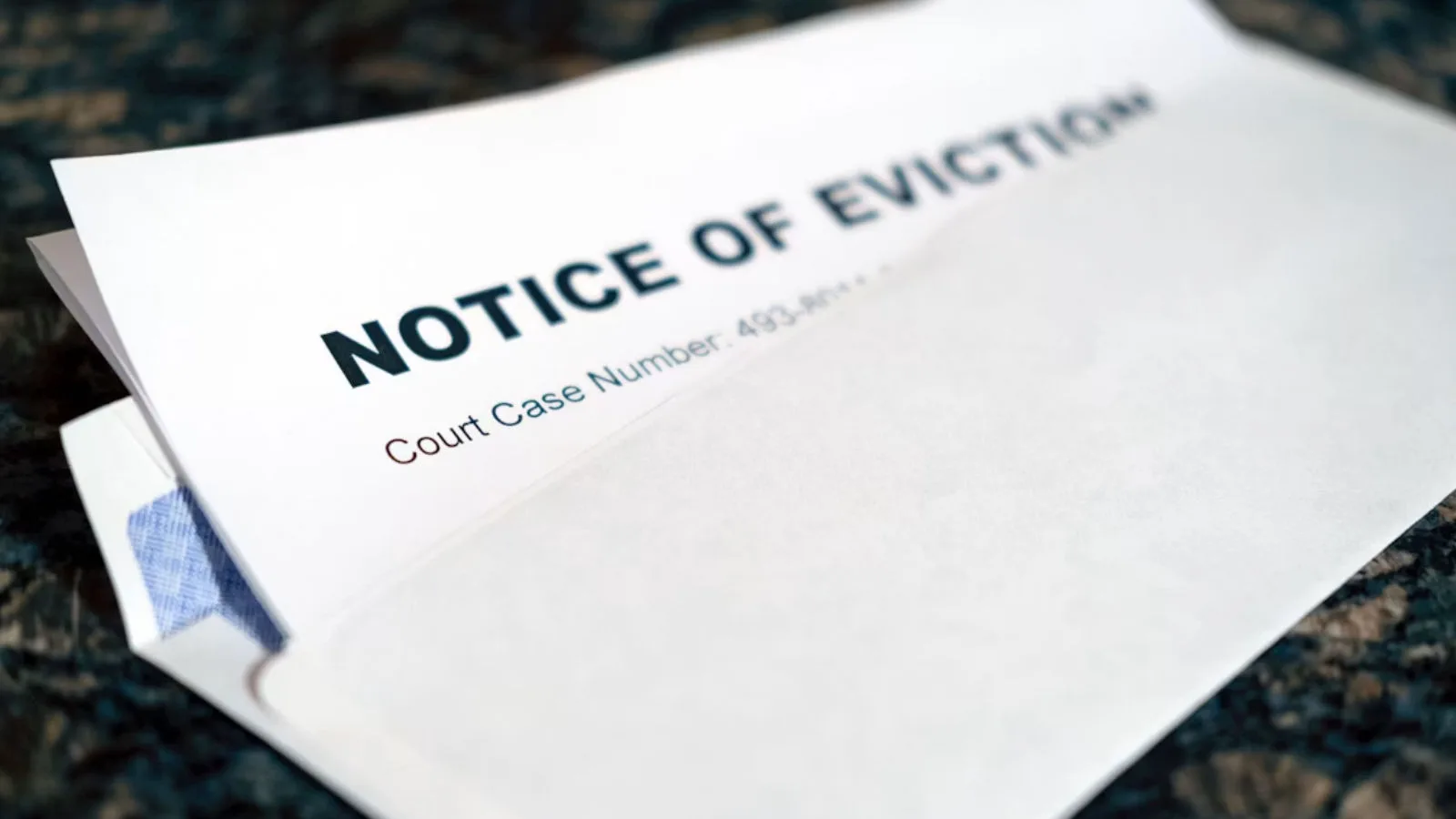
Lease termination and eviction are related concepts, but they are not necessarily the same thing. Termination ends the contractual relationship between the parties, while eviction is the legal process used to remove a tenant from the property. In many cases, a landlord must first establish a valid basis for terminating the lease before pursuing eviction proceedings.
Texas Property Code Chapter 24 governs eviction proceedings, while Chapter 93 addresses certain rights and remedies involving commercial tenancies. Landlords should be particularly careful about lockouts, utility interruptions, and attempts to recover possession without following applicable legal requirements. Understanding the distinction between these remedies can help landlords and tenants evaluate their rights and obligations when a commercial lease dispute arises.
Contact a Commercial Real Estate Lawyer Today
When you have grounds to pursue termination of your commercial lease, you need experienced legal representation to help you protect and advocate for your rights and interests.
Texas Property Code Chapter 24 governs eviction proceedings, while Chapter 93 addresses certain rights and remedies involving commercial tenancies. Landlords should be particularly careful about lockouts, utility interruptions, and attempts to recover possession without following applicable legal requirements.
Understanding the distinction between these remedies can help landlords and tenants evaluate their rights and obligations when a commercial lease dispute arises.
Contact a Dallas Commercial Real Estate Attorney
When you have grounds to pursue termination of your commercial lease, you need experienced legal representation to help you protect and advocate for your rights and interests.
Our Dallas commercial real estate attorneys assist businesses with commercial lease agreements, landlord-tenant disputes, and lease enforcement matters. Whether you are reviewing a potential default or responding to a termination dispute, legal guidance can help you understand your available options.
Contact Sul Lee Law Firm PLLC today for a confidential consultation with a knowledgeable Dallas commercial real estate attorney.