


Commercial leases can be challenging to understand and often quite complex. Late fees and defaults are among the most common issues that arise during the life of a commercial lease, and they can create significant financial disruption for commercial property owners. Understanding how Texas commercial leases address late payments and defaults allows landlords to protect their investments and respond appropriately when tenants breach their obligations.
Unlike residential leases, commercial leases generally provide greater flexibility for landlords and tenants to negotiate payment terms, default provisions, and available remedies. As a result, the specific language of the lease agreement often determines how late fees and defaults will be handled.
What Are Late Fees?
Late fees in commercial leases are penalties the lessor imposes when the lessee fails to pay rent on time. These fees help compensate the landlord for the inconvenience and potential financial strain resulting from delayed payments..
The fees stipulated in the lease agreement are enforceable. However, they should be reasonable and clearly defined. Lessees may challenge exorbitant fees. Lessees may challenge excessive or punitive late fees, particularly if they appear to function as an unenforceable penalty rather than a reasonable estimate of the landlord’s damages. Additionally, the lease should clearly specify when a payment is considered late, whether a grace period applies, how the late fee is calculated, and whether interest will accrue on overdue amounts.
Clear lease language benefits both parties by reducing misunderstandings and minimizing the likelihood of disputes over missed payments.
What Constitutes a Default?

A default occurs when a party fails to fulfill one or more obligations under the lease agreement. Although nonpayment of rent is one of the most common defaults, it is far from the only one.
A commercial tenant may also default by:
- Failing to maintain required insurance coverage
- Making unauthorized alterations to the property
- Using the premises for purposes prohibited by the lease
- Violating maintenance or repair obligations
- Abandoning the leased property before the lease term expires
Likewise, landlords can also default under certain circumstances, such as failing to perform maintenance obligations, interfering with a tenant’s right to occupy the premises, or otherwise violating material lease provisions.
Notice and Cure Periods
Before exercising remedies, landlords should carefully review the lease’s notice and cure provisions. Texas commercial leases often require written notice before eviction, lease termination, or other enforcement actions. Following these procedures is critical because failing to comply can delay enforcement or weaken a landlord’s position.
For example, a tenant who misses a rent payment may have several days to pay the outstanding balance after receiving notice. Other types of lease violations may provide a longer period to cure, depending on the language of the lease agreement.
The Rights of the Parties Regarding Defaults
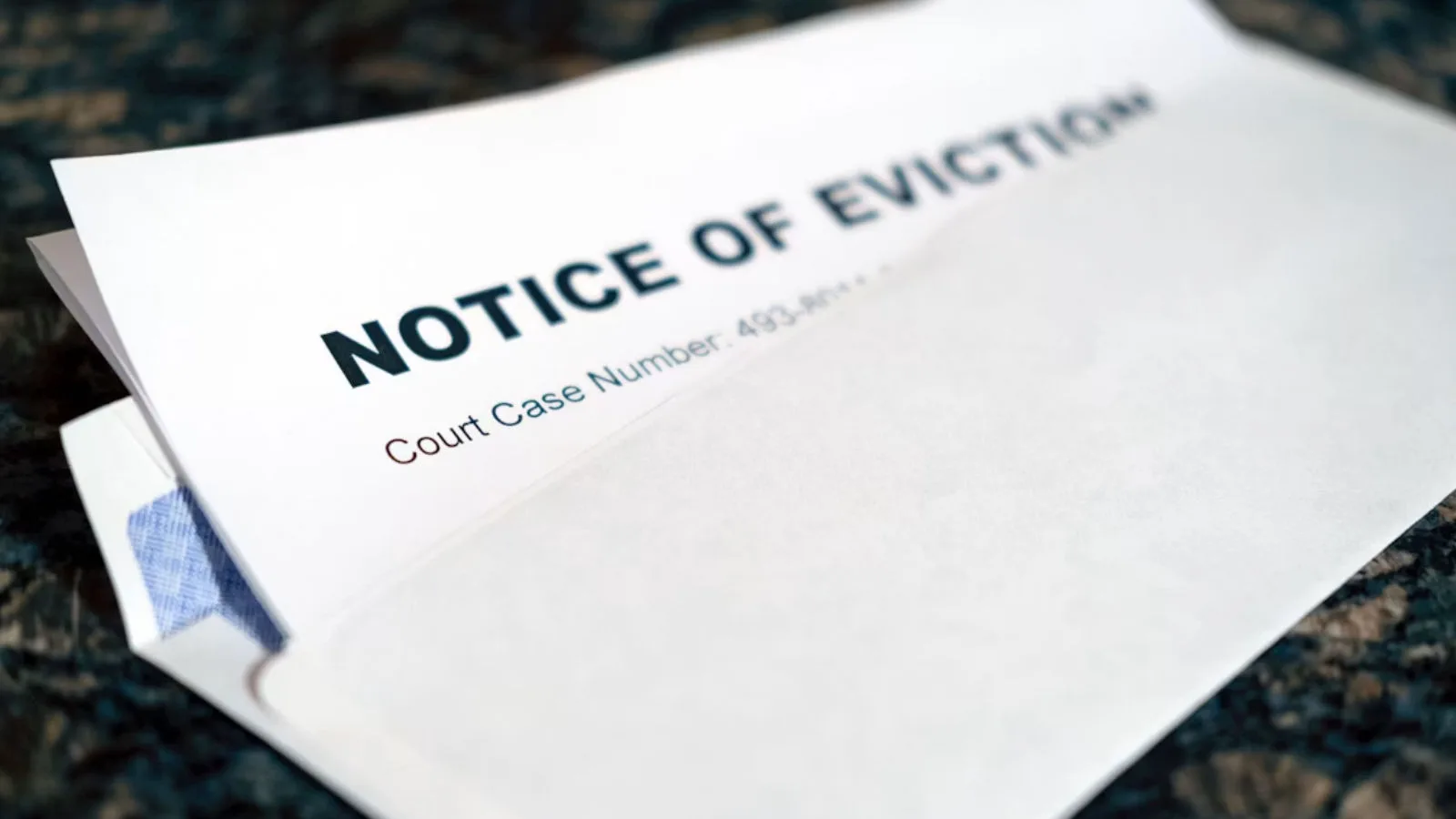
When a default occurs, both landlords and tenants have legal rights and contractual remedies.
Landlord’s Rights
- Eviction – The lessor may initiate eviction proceedings in the event of non-payment of rent or other substantial breaches of the lease agreement. Texas law generally requires landlords to follow applicable notice procedures before pursuing eviction in court.
- Damages – A landlord may seek compensation for financial losses resulting from the tenant’s default. These damages may include unpaid rent, repair costs, attorney’s fees if authorized by the lease, and other losses permitted under the agreement or applicable law.
- Lease Termination – Depending on the lease terms, a landlord may have the right to terminate the lease after an uncured default and recover possession of the property.
Tenant’s Rights
- Cure Period – Tenants may have a specified period to remedy or cure the default before facing further consequences such as eviction or additional penalties. This period allows tenants to correct issues and maintain their tenancy.
- Negotiation – Both parties can negotiate to find alternative solutions to address defaults and avoid litigation. Those solutions might include payment plans, temporary rent reductions, or other mutually agreeable arrangements.
- Legal Defenses – Tenants may have legal defenses against wrongful defaults or unreasonable demands made by lessors. These defenses ensure that tenants are not unjustly penalized and can challenge any actions that may not comply with legal standards.
Consequences of Late Fees and Defaults
Late fees and defaults often extend beyond the immediate financial obligation.
Impact on the Landlord-Tenant Relationship
Late payments and lease violations can strain the business relationship between landlords and tenants, leading to mistrust, disputes, and potential litigation. Addressing issues promptly and communicating openly may help preserve the relationship and avoid unnecessary legal expenses.
Financial and Legal Consequences
For tenants, repeated late payments may result in mounting late fees, legal expenses, damage to business operations, lease termination, or eviction.
For landlords, ongoing tenant defaults can create lost rental income, increased legal costs, property maintenance issues, and delays in securing a replacement tenant.
Steps Landlords Should Take After a Tenant Default

When a default occurs, taking prompt action can help minimize losses and preserve legal rights.
- Review the lease to confirm the default provisions.
- Verify that notice requirements are satisfied.
- Preserve payment records and communications.
- Evaluate available remedies under the lease.
- Consult counsel before terminating the lease or pursuing eviction.
Why Careful Lease Drafting Matters
One of the best ways for commercial landlords to avoid costly disputes is through carefully drafted lease agreements. Well-written provisions governing rent, late fees, default events, notice requirements, attorney’s fees, and available remedies give landlords stronger legal protection when problems arise.
Whether negotiating a new lease or reviewing an existing agreement, experienced legal guidance can help protect your business interests and ensure the lease accurately reflects the parties’ intentions.
Contact Our Business Lawyers Today
If your commercial tenant has stopped paying rent, violated the lease, or otherwise defaulted, acting quickly can help preserve your legal rights. Sul Lee Law Firm PLLC advises commercial landlords throughout Texas on lease enforcement, evictions, default disputes, and commercial real estate litigation.